what to do with your empty beds (it's not too late)
|
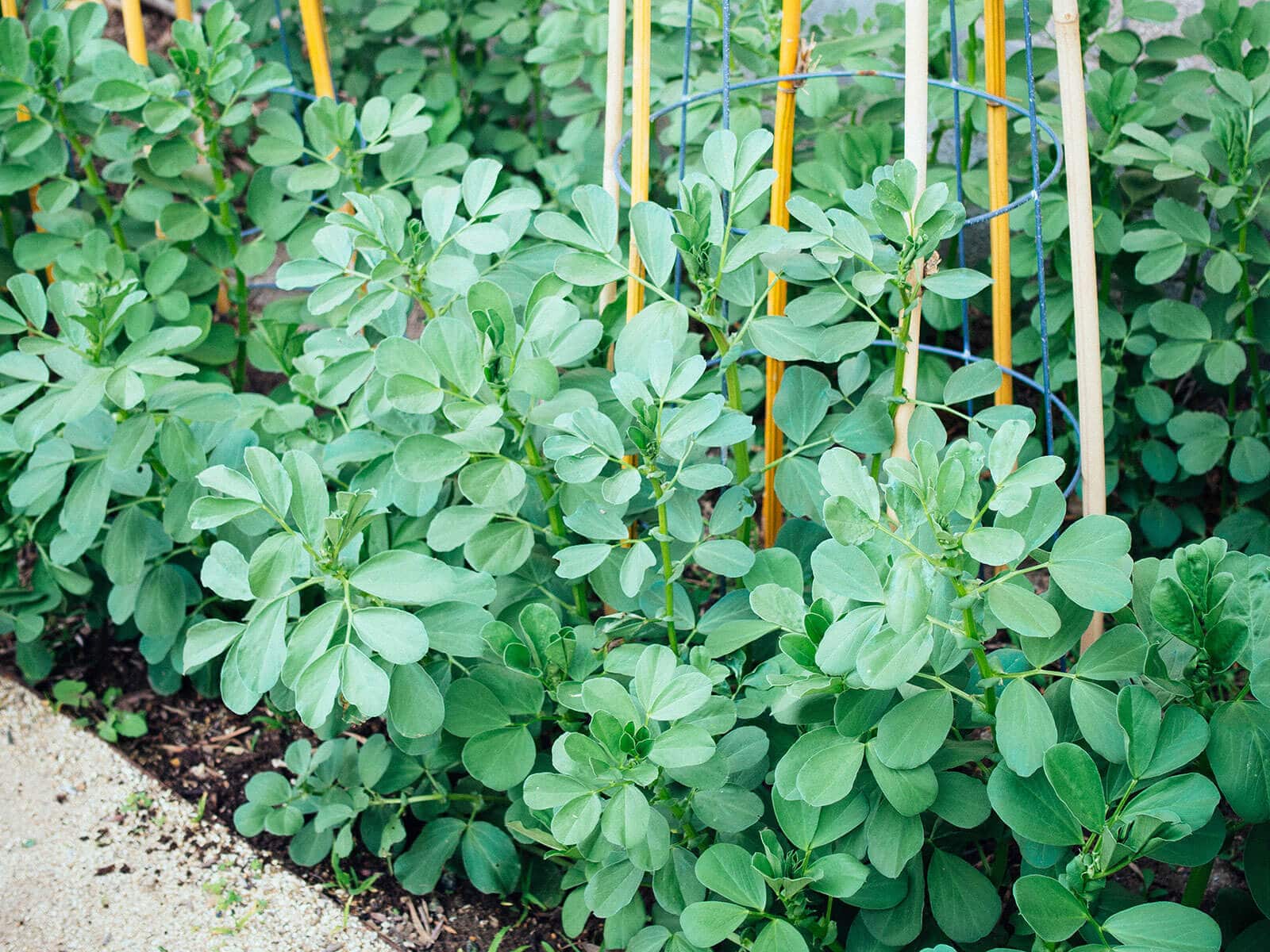
Let's talk about what's going into your empty beds this month. I know, the instinct after pulling the last tomatoes is to rake everything clean and call it a season—but bare soil is the worst thing you can leave behind going into winter. Rain and snow pound it into a crust, nutrients wash out, and come spring, the first thing to "cover" that bed will be weeds. (Nature hates a vacancy.) A cover crop fixes all of that. It's a bed of plants sown thick and close, grown for the soil instead of the harvest: roots that open up drainage channels, foliage that breaks down into organic matter, and a living mat that crowds out weeds before they get a foothold. You cut it down when it starts to flower, and your soil is better for it. I just published a full guide to cover crops for home gardens. Not farms or homesteads on acreage, just a couple of raised beds if that's what you've got.
Inside you'll find 16 cover crops sorted by planting window (so you know exactly what still goes in this late), how to sow them, how to cut them down without tilling, and 3 mistakes I've made so you don't have to. Now the timing part, since it's mid-October. If it's very cold where you are, the window for tillage radishes and oats closes soon (if not already). But winter rye can go in up to about 4 weeks before your ground freezes. It smothers weeds, holds soil in place, and adds a ton of organic matter. If your weather's been relatively mild so far or you live in a warmer zone, you've got more options. Field peas and bell beans both go in mid to late fall, and they add nitrogen while they're at it. Seasonal tipsP.S. Bookmark the planting-window table in my new post. It tells you what goes in when, from late-summer radishes to midsummer sunn hemp. Get my full cover crop guide → P.P.S. Get your cover crop seeds and soil inoculants (if needed) right here. They ship fast and the quality has always been excellent for me. |
Garden Betty
For people who want to grow more food with less work. 🌱 This is my weekly newsletter loved by 38,000+ subscribers—here's what one of them had to say: "These are not the regular run-of-the-mill garden-based emails. You actually touch on more unusual tidbits that encourage me to keep growing and learning."